
Cecina de Chivo
Villarramiel (Palencia), Castile-Leon, Spain
Lean, dark and intense, a cured and lightly smoked kid-goat meat.
Overview
Cecina de Chivo is lean, dark and intense, a cured and lightly smoked kid-goat meat. Very lean, dark red goat meat with a firm grain and a clean oak-smoke aroma. It should be intense and savoury without rancidity, soot bitterness or a wet grey centre. The Codex treats the product as a complete curing or cooking system, not simply a famous name. Raw material, cut or particle size, casing, smoke, fermentation, heat treatment and maturation all contribute to the result. The current legal or quality status is Marca de Garantía Cecina de Chivo de Vegacervera : not an EU GI. The source tradition and the Curesmith home method are kept separate.
Where it's from
Climate. The mountains of Leon, notably Vegacervera.
Altitude. Leonese mountains
The cut
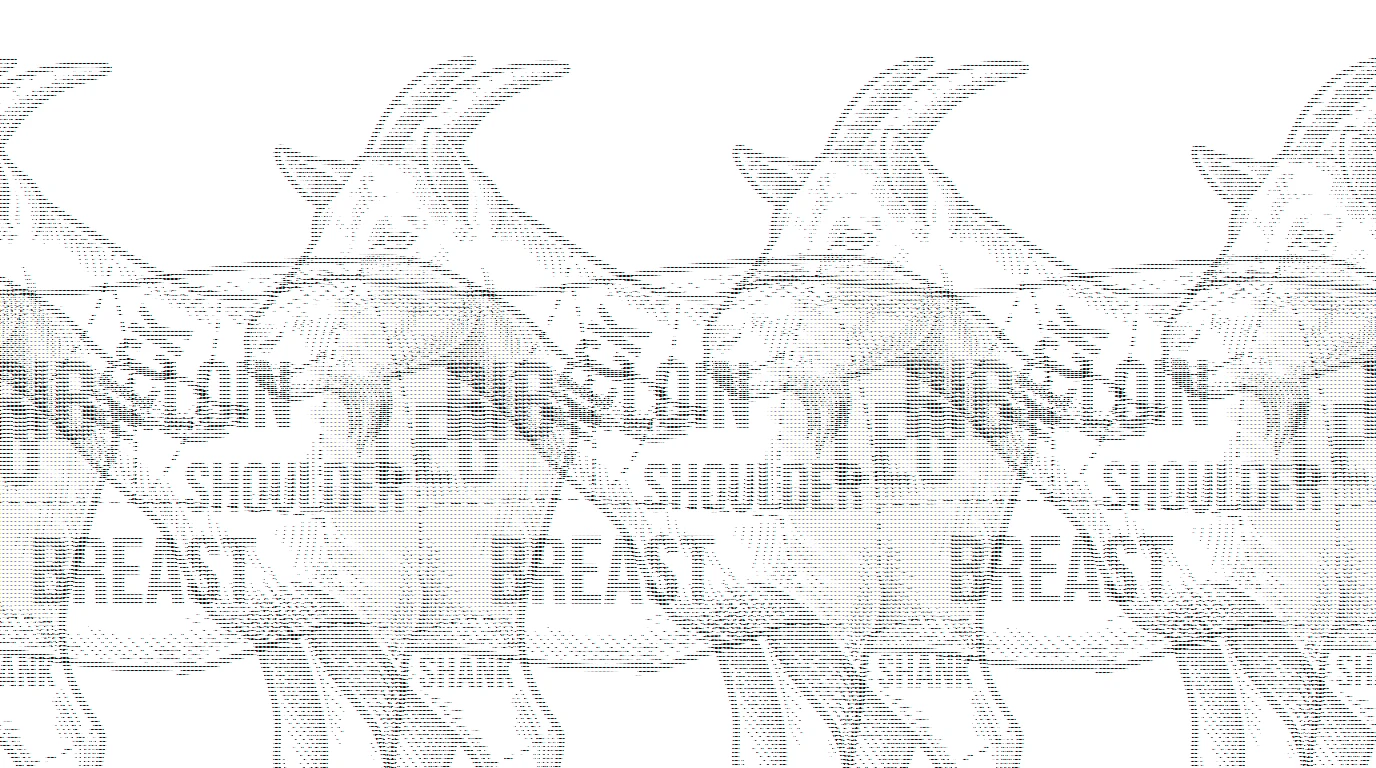
How to recognise it
Very lean, dark red goat meat with a firm grain and a clean oak-smoke aroma. It should be intense and savoury without rancidity, soot bitterness or a wet grey centre. A hard outer ring, wet grey centre, rancid fat, sourness or air beneath casing indicates an uneven cure.
- Shape and size
- Cured goat leg, sliced thin
- Lean colour
- Very dark red
- Fat and marbling
- Very lean
- Casing
- None
- Surface bloom
- Possible
Origins and history
Cecina de chivo belongs to the mountains of Leon, and above all to Vegacervera, where thin cold air and long winters made air-drying goat a sensible way to keep meat through the year. The approach is a mountain answer to a mountain problem: salt what the household could not eat fresh, colour and season it with paprika, garlic and oil, smoke it over oak, then let the weather finish the work. It stands beside the better known cecina de Leon, which is made from beef, but the goat version is smaller in scale and closely tied to its home valleys. Producers still work it much as earlier generations did, maturing the prime legs for raw eating and holding lesser cuts for the pot. Goats were well suited to the steep limestone valleys around Vegacervera, but older animals produced meat that benefited from long preservation. Salting, oak smoke and mountain air turned that lean meat into a concentrated winter food. The guarantee mark has protected the name since the early 2000s. Legends and commercial origin stories are identified as such rather than used as proof of the current specification. The guarantee mark dates from 2002, and Vegacervera's annual fair has helped turn the mountain cure into the district's most visible food tradition. The related entrecallada dish shows that not every local use is raw slicing: the meat is soaked and cooked with goat chorizo.
Name. Cecina, from the Latin siccus, 'dry'; chivo, 'kid goat'.
- Production today
- Small producers in the Leon mountains.
- Protection
- Not EU-protected as a general name.
- Tradition vs modern
- Air-dried, sometimes lightly smoked.
- Seasonality
- Traditionally the winter slaughter.
Compare with. Cecina de León, Mocetta
Serving and cultural significance
The cured legs are eaten raw, sliced thin across the grain so the dark, lean meat shows its oak smoke and its slow concentration of flavour. Shoulder and rib pieces, cured for a shorter spell, are the base of entrecallada, a homely dish in which the meat and a little goat chorizo are soaked overnight, simmered until tender and served with their broth. Coarse bread and a plain salad suit the raw slices, while the cooked version is winter food, filling and unfussy. Replace the unprotected classification with the current Marca de Garantía status. Keep the raw cured and cooked presentations clearly separated. it shows how place, material and process create identity. The reader can compare authenticity, legal status and practical home safety without confusing them. For entrecallada, soak the meat cold, cook it with goat chorizo and serve it tender rather than treating every piece as ready-to-eat slicing cecina.
Recipe and cure
This is not a finished recipe. It is a window into how this meat is traditionally cured. Before you follow any process, please run it through one of our curing calculators, so the salt, cure and timings are right and safe for your own batch.
Make this — the measured Curesmith version →The cure below is the traditional reference. “Make this” opens the measured Curesmith home recipe, scaled to your batch.
Traditional or protected production
Cecina de Chivo de Vegacervera is protected by a regional Marca de Garantía rather than an EU PDO or PGI. It is made from selected adult-goat meat, traditionally salted, seasoned, smoked with oak and cured in the cold, ventilated León mountains. Commercial forms include fully cured meat for slicing and entrecallada or cooked presentations.
Sea salt, salt-box method; sometimes lightly smoked. No fixed percentage.
- Meat
- goat
- Salt (%)
- traditional, no fixed %
- Curing salt
- Sea salt; sometimes a light smoke
- Fermented
- No
- Starter or mould
- Cellar mould
- Smoked
- Yes
- Target aW or weight loss
- ~ weight loss
- Temperature (°C)
- cold salting, then 10 to 15
- Humidity (%)
- 70 to 80
- Maturation
- a few months
- Basis
- percentage of green meat weight
- Style
- Traditional dry salting (salt-box), lightly smoked
Method
- Salt and season by the traditional method and rest cold.
- Air-dry, with a light smoke where traditional.
- Age in the cellar or mountain air.
- Age to the target loss.
Notes
- A more efficient way of curing this product is using the EQ Method. No more than 2.5% salt to meat weight is required. To follow the EQ method, please use our whole-muscle EQ curing calculator to work out proper ratios and curing times.
In the Codex
What this product teaches, and where to read more.
Temple. Pillar, Meat Quality