
Mocetta
-, Valle d'Aosta, Italy
Lean, dark and herb-scented, an Alpine cured leg of chamois, goat or beef.
Overview
Mocetta is lean, dark and herb-scented, an alpine cured leg of chamois, goat or beef. A dark, very lean whole muscle with a firm close texture and strong juniper, garlic and herb aroma. Fat is minimal.
Where it's from
Climate. The Aosta Valley, cold Alpine air.
Altitude. Alps
The cut
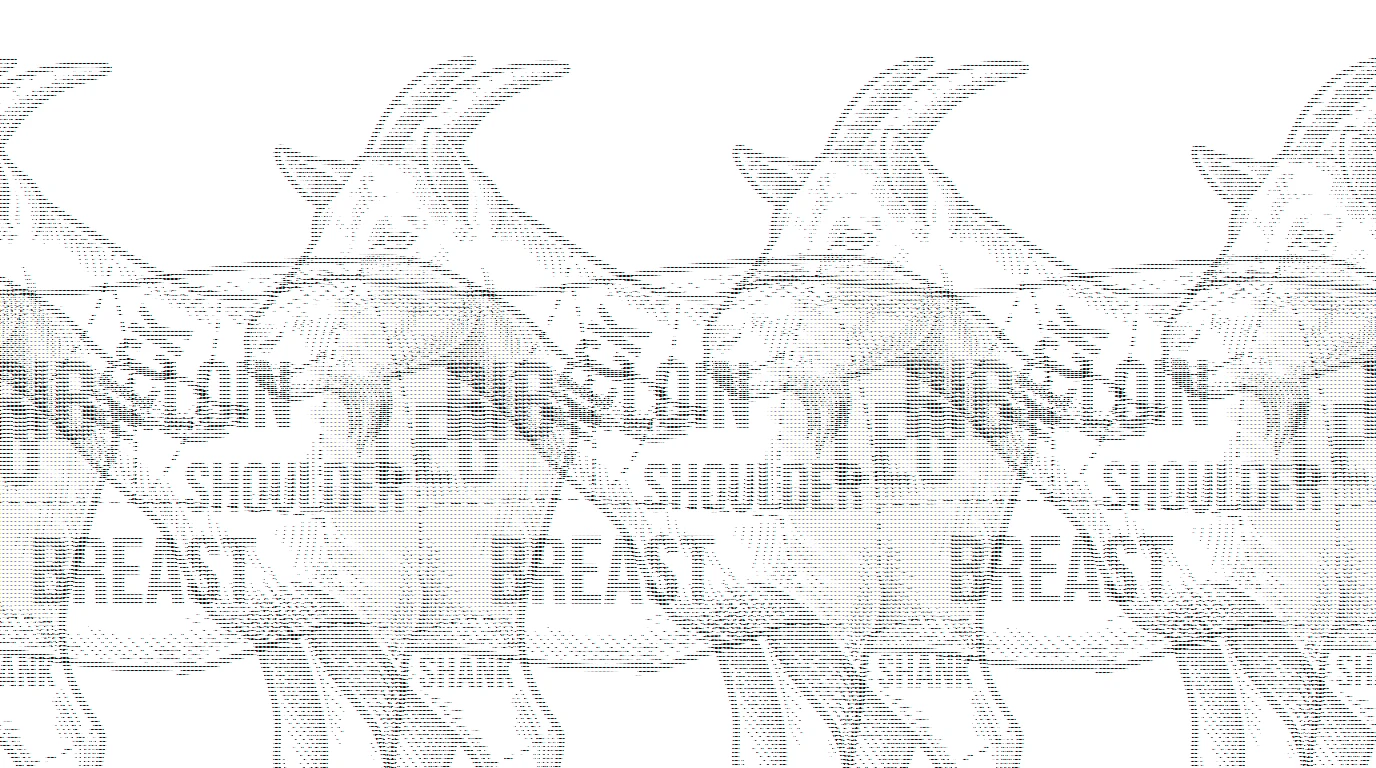
How to recognise it
A dark, very lean whole muscle with a firm close texture and strong juniper, garlic and herb aroma. Fat is minimal. A good slice is lean and fragrant, not leathery, grey, sour or coated with uncontrolled mould.
- Shape and size
- Cured leg, compact
- Lean colour
- Dark red
- Fat and marbling
- Very lean
- Casing
- None
- Surface bloom
- Possible
Origins and history
An Aosta Valley cure traditionally made from the leg of chamois, and now more often from goat or beef, salted and rubbed with mountain herbs and garlic, then air-dried in the cold Alpine air. It is a lean, intensely flavoured cure born of a mountain economy that used every animal it could. Sliced thin, it carries the herbs and the altitude.
Mountain households preserved whichever lean animal was available. As wildlife protection and farming changed, commercial production moved largely from chamois to goat and beef while retaining the herbal Alpine profile. The verified production area is Aosta Valley and neighbouring Alpine valleys of Piedmont, Italy. Stories and etymologies are retained when they help explain the tradition, but legends are not used as evidence for the modern specification.
Name. Mocetta, from a local dialect term for the cured leg.
- Production today
- Small Aosta producers.
- Protection
- Not EU-protected as a general name.
- Tradition vs modern
- Once chamois, now usually goat or beef.
- Seasonality
- Winter slaughter.
Compare with. Bresaola della Valtellina, Violino di capra
Serving and cultural significance
Slice Mocetta paper-thin and serve with rye bread, butter, mountain cheese, walnuts or honey. Lean goat versions can be intense, while beef is milder. Olive oil and lemon may be added sparingly, but strong marinades conceal the herbs and the clean Alpine cure.
Recipe and cure
This is not a finished recipe. It is a window into how this meat is traditionally cured. Before you follow any process, please run it through one of our curing calculators, so the salt, cure and timings are right and safe for your own batch.
Make this — the measured Curesmith version →The cure below is the traditional reference. “Make this” opens the measured Curesmith home recipe, scaled to your batch.
Traditional or protected production
Mocetta or Motsetta is a lean Alpine cure historically associated with chamois and now commonly made from goat, beef or other permitted domestic meats. Salt, garlic, juniper, bay and mountain herbs define the cure.
Sea salt, garlic, juniper and mountain herbs, salt-box method; no fixed percentage.
- Meat
- chamois or goat
- Salt (%)
- traditional, no fixed %
- Curing salt
- Sea salt with garlic, juniper and herbs
- Fermented
- No
- Starter or mould
- Possible
- Smoked
- No
- Target aW or weight loss
- ~ weight loss
- Temperature (°C)
- cold salting, then 10 to 15
- Humidity (%)
- 70 to 80
- Maturation
- a few weeks to months
- Basis
- percentage of green meat weight
- Style
- Traditional dry salting (salt-box)
Method
- Salt and season the leg by the traditional method and rest cold.
- Wash or brush off surface salt.
- Air-dry in the mountain air.
- Age to the target loss.
Notes
- A more efficient way of curing this product is using the EQ Method. No more than 2.5% salt to meat weight is required. To follow the EQ method, please use our whole-muscle EQ curing calculator to work out proper ratios and curing times.
In the Codex
What this product teaches, and where to read more.
Temple. Pillar, Meat Quality