
Goat
Also known as chevon, cabrito, kid, capretto, Ziegenfleisch, chèvre, carne de chivo
The most eaten meat in the world and the least represented in European charcuterie. Extremely lean, with fat that sits outside the muscle rather than through it, so almost everything cured from goat has pork or another fat added.
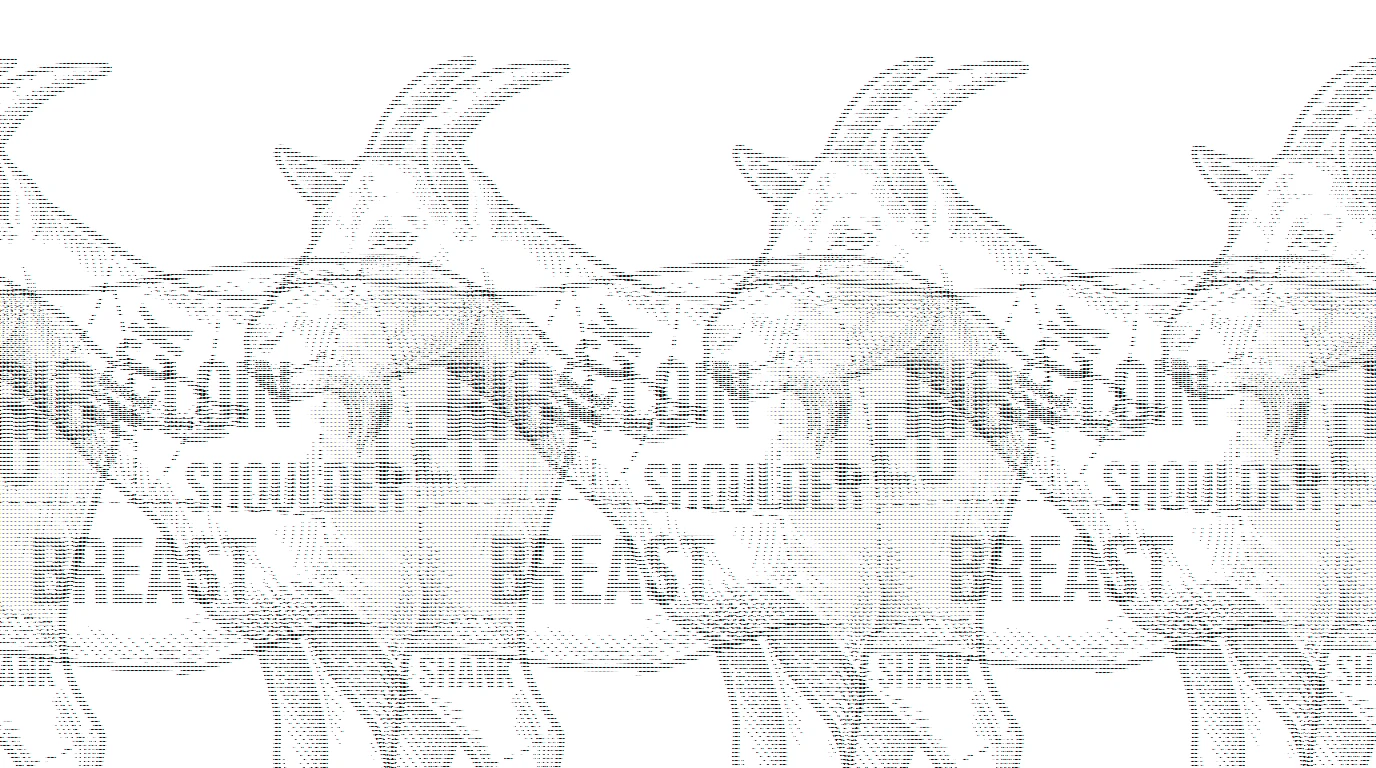
Goat is eaten by more people than any other meat and appears in very little classical charcuterie, which is a fact about European tradition rather than about the animal. Where it does appear, it is in the mountain and dry-land regions that kept goats because cattle would not thrive: violino di capra in Lombardy, the Alpine dried goat products, Balkan and Anatolian preparations, the Spanish cecina de chivo, and a range of North African and South Asian products.
What characterises the meat is extreme leanness. Goat carries less fat than lamb, beef or pork, and crucially what fat it has sits as a layer around the carcass and the organs rather than marbling through the muscle. So a goat muscle is essentially fat-free lean, and the intramuscular fat that gives pork and beef their succulence and their flavour carriage simply is not there.
That governs everything. Goat cures fast, because there is no fat to slow water movement, and it dries hard if left too long, the same trap as pork loin and beef round but more so. Sausages made from goat alone are dry and crumbly, so the traditions add fat, usually pork back fat where culture permits and lamb tail fat or vegetable oil where it does not. Violino di capra, the flagship dried goat leg of the Valchiavenna, works precisely because it is a whole muscle salted and dried rather than a sausage, and even then it is served in very thin slices.
Age matters as it does with sheep. Kid, capretto or cabrito, is pale, delicate and mild. An adult goat is dark, strongly flavoured and can be tough, and mature billy goats in particular carry compounds that many palates find objectionable. Most cured goat products specify a young animal for good reason.
On flavour, goat is often described as gamey, and it is more accurate to say it is clean and slightly sweet with a mineral edge, closer to venison than to lamb. It takes assertive seasoning well, which is why the traditions that use it lean on juniper, garlic, chilli and warm spices.
Because it is lean, dark and takes salt quickly, goat suits whole-muscle drying far better than sausage, and where it does go into a sausage the formula is usually a mixed one.
Temple element. Pillar, Meat Quality